

Evolutions and the ART of Art Family
“Evolve into your Fertility Future”
Need help to understand how to put an empty family canvas into a work of art?”
2026 – The Year of Evolution in Human Reproduction
In 2026, we focus on technology, science, changes in human reproduction, and the psychological aspects of human behaviour.
In our newsletters, we are going to explore each of these topics to gain a better understanding of what has influenced human reproductive outcomes over the last 10 years.
Evolution and Human Reproduction
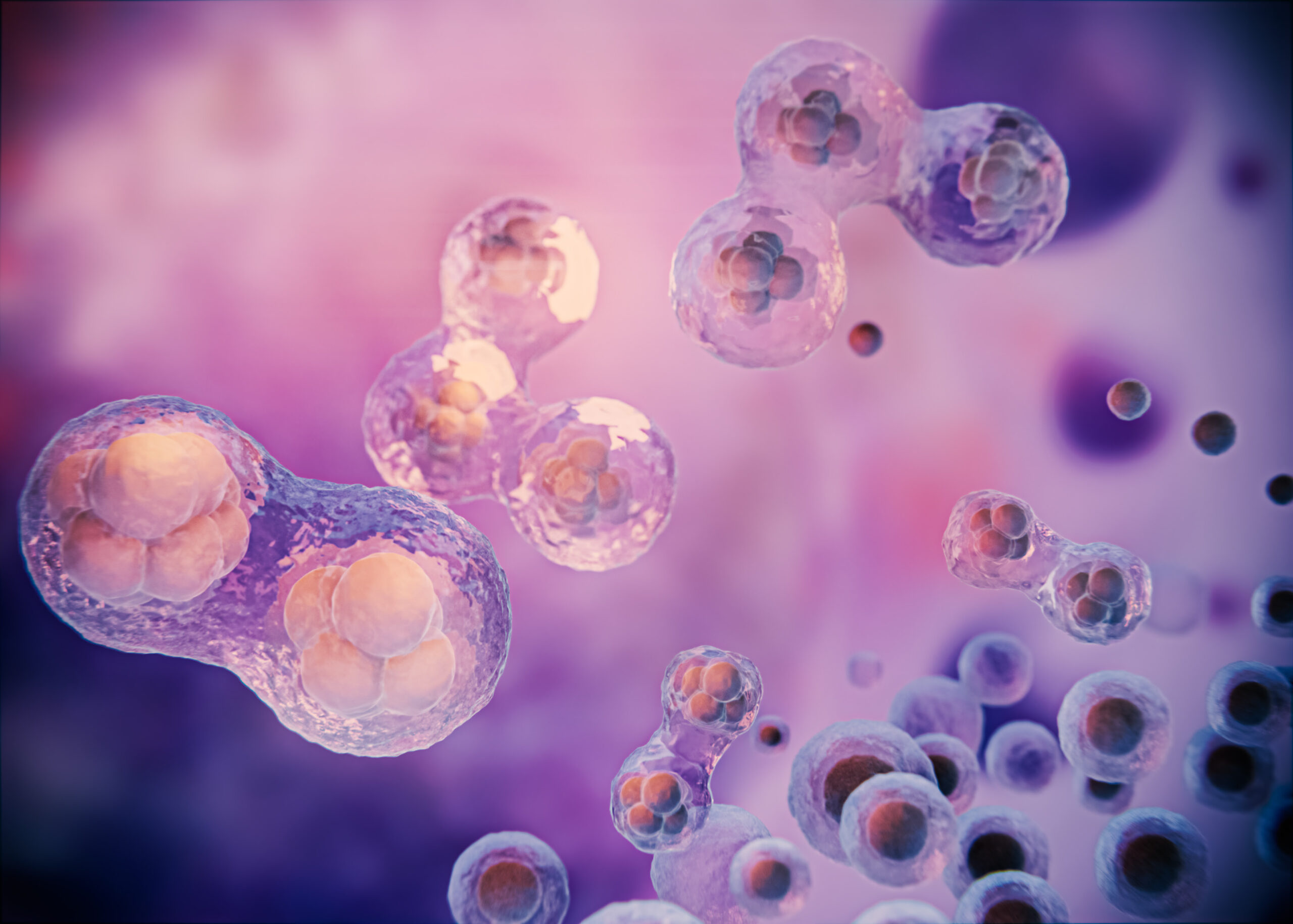
An evolutionary approach helps clinicians understand the root causes of reproductive issues rather than simply treating symptoms. It emphasizes the impact of modern environments on our ancestral biological design.
Evolution is a process that results in changes in the genetic material of a population over time.
The key principles of evolutionary medicine are:
The Legacy of ART
Over the last 40 years, Dr. Patrick Steptoe and scientist Robert Edwards revolutionised reproductive medicine with the first baby born through ART treatment. They helped many childless couples have babies and build families — a legacy that will last forever.
However, little attention was initially given to the long-term impact on disease risk factors and how modern reproductive environments might influence fertility challenges today.
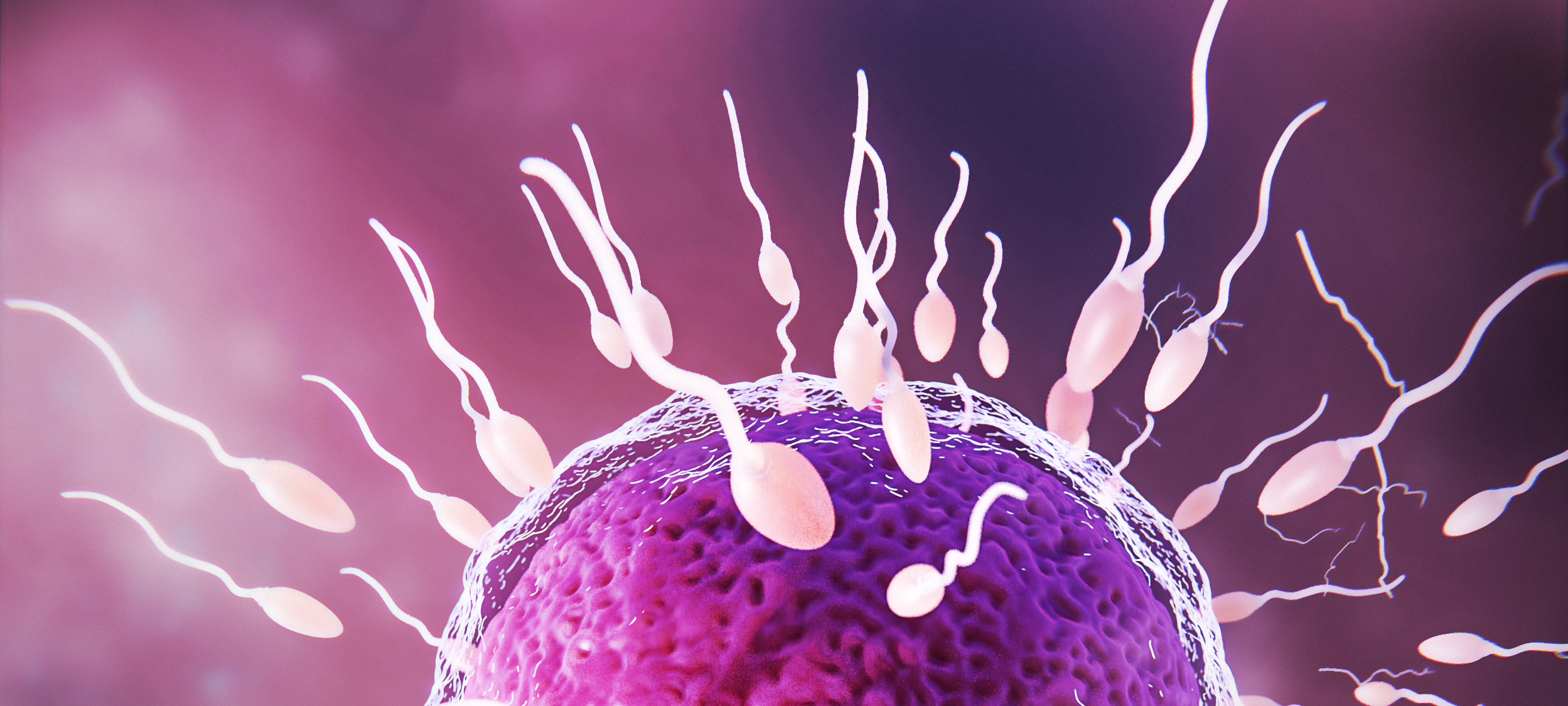
Are We Reactive Instead of Proactive?
Over the past five years, in counselling infertility patients at Wijnland Fertility, we have realised that we often work reactively rather than proactively regarding the medical and psychological aspects of ART treatment.
We help people conceive, but we also need to focus on education and behavioural change to prevent a potential human reproduction crisis.
Why Are Young Girls’ Menstrual Cycles Changing?
Young girls are starting their periods earlier — averaging just under 12 years old, compared to 12.5 years in the 1950s. This shift is linked to:
These factors influence the body’s hormonal systems and may accelerate puberty, with a growing number of girls menstruating before age 9.
While genetics play a role, the downward trend in the age of menarche is largely attributed to environmental and lifestyle factors.
The American College of Obstetricians and Gynecologists recommends that girls visit a gynaecologist between the ages of 13 and 15, or earlier if signs of puberty appear before age 8.
This should make us think.
We need to educate our mothers and young girls.
Why Is Sperm Quality Declining in Young Boys and Men?
Male infertility has increased significantly since the mid-1970s. A major 2017 meta-analysis found that sperm counts in Western countries declined by more than 50% between 1973 and 2011. More recent research suggests this decline is now also seen in non-Western countries and may be accelerating. Declining sperm counts, estimating that the transition from an unprocessed to modern processed diet may account for up to 30 percent of the decline in sperm counts
Possible contributing factors include:
This is the new reality in our world of ART treatment.
Why Do So Many IVF Cycles Fail?
One important factor often overlooked after failed IVF cycles is cognitive bias — both from patients and clinicians.
However, one of the primary biological reasons IVF fails is chromosomal abnormalities in embryos, which increase with maternal age:
Understanding these biological realities helps set realistic expectations.
What Is the Best Window for Fertility?
Men
Women
Wijnland Fertility offers comprehensive sperm freezing and egg freezing programmes. We encourage individuals to consider fertility preservation for future family planning.
“Life is all about evolution. What looks like a mistake to others has been a milestone in my life. Even if people have betrayed me, even if my heart was broken, even if people misunderstood or judged me, I have learned from these incidents. We are human and we make mistakes, but learning from them is what makes the difference.”
Amisha Patel

RELATED POSTS
SIGN UP FOR OUR MONTHLY NEWS BULLETIN
Monthly Specials | Support Group Info | Clinic Updates
By entering your information, you agree to receive monthly clinic updates and specials from Wijnland Fertility Clinic. You can unsubscribe at any time.